

Look here at the full list of ICAP2026 Transversal Invited Keynote Speakers.
Please click into the alfabetical groups for more details.
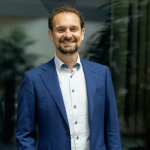
Jos Akkermans
Vrije Universiteit Amsterdam, Amsterdam, The Netherlands
The role of career shocks in contemporary career development

Apitchaya Chaiwutikornwanich
Chulalongkorn University, Bangkok, Thailand
Sustainable Development and Well-being: Contributions
from Thai Psychology

Kelsey Autin
University of Wisconsin-Milwaukee, Milwaukee, United States
Bridging Work Psychology and Reproductive Health:
PWT Perspectives on Workplace Equity and Perinatal Mental Health
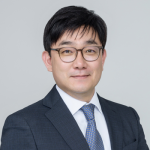
Hoon-Seok Choi
Sungkyunkwan University, Seoul, Korea
The Power of We-Individuality: Redefining Human Flourishing through Collectivistic Independence

Cristina Becchio
University Medical Center Hamburg-Eppendorf, Hamburg, Germany
Minds in Motion: How Movement Reveals Cognitive States
and Decision Processes

RACHEL GALI CINAMON
Tel Aviv University, Tel Aviv, Israel
Belonging, Mentorship, and the Promise of Decent Work: Supporting Women’s Career Development in STEM Higher Educationg

Tara Behrend
Michigan State University, East Lansing, United States
Human-AI Interaction at Work: Ethical and practical considerations

Claudia Bernhard-Oettel
Stockholm University, Stockholm, Sweden
Up, in, out, back or gig-based? Navigating individualized and extended careers in a changing employment landscape
in the 21st century

Saths Cooper
University of Pretoria, Pretoria, South Africa
Pushing the Boundaries of Applied Psychology

Fiammetta Cosci
University of Florence, Florence, Italy
Functional disorders: are they so invisible as patients and clinicians say?
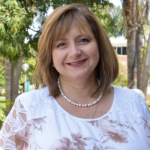
Sheyla Blumen Cohen
Pontifical Catholic University of Peru (PUCP), Lima, Peru
Applied Psychology in a Fractured World: Advancing Mental Health, Equity, and Human Development from a Global South Perspective

Simon Crowe
La Trobe University, Melbourne, Australia
What’s happening to the Flynn effect and why?

Gregoire Borst
Université Paris Cité, Paris, France
From the lab to the classroom: a journey toward implementing large scale interventions to reduce educational inequalities
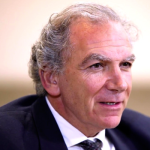
Léo-Paul Dana
Dalhousie University, Canada
Enterprising Communities: People and Places in the Global Economy

Paula Brough
Griffith University, Southport, Australia
Surviving continuous turbulence: Insights for flourishing
in our 2030s workplaces

Evangelia Demerouti
Eindhoven University of Technology, Eindhoven, The Netherlands
Leveraging Job Design and Employee Self-Directed Behavior for Sustainable Innovation and Well-Being

Carrie Bulger
Quinnipiac University, Hamden, United States
Examining individual differences in perceptions of and attitudes toward time in applied psychology

Rolando Diaz-Loving
National Autonomous University of Mexico, Mexico
Obesity from a Bio-Psycho-Socio-Cultural Perspective: Toward an Integrative Research Agenda

Stuart C.Carr
UNESCO/Massey University of New Zealand, Auckland
Sustainable Livelihoods: Regenerative Perspectives

Bryan Dik
Colorado State University, Fort Collins, United States
The Future of Work as a Calling: Five Directions for Research and Practice

Giuseppe Carrus
UniRoma 3, Rome, Italy
Environmental pSychology and the promotion
of sustainable lifestyles

Joan Duda
University of Birmingham, Birmingham, United Kingdom
The ‘power of sport’ for youth development: Motivational considerations

Emanuele Castanò
University of Florence, Florence, Italy
Fiction as a gym for social cognition

Ryan Duffy
University of Florida, Gainesville, United States
10 Years of Psychology of Working Theory: What Have We Learned and Where do We Go Next

Arthur Evans
American Psychological Association, Washington, United States
Psychology at the Crossroads: Leading Through Disruption to Build a More Just and Sustainable World

E.Kevin Kelloway
Saint Mary’s University, Halifax, Canada
Does the union make us strong? The role of labour unions in workplace mental health

Lisa Flores
University of Missouri, Columbia, United States
Centering Equity: Career Counseling with People of the Global Majority OR
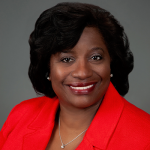
Jennifer Kelly
Atlanta Center for Behavioral Medicine, Atlanta, United States
Advancing Health Equity in Times of Uncertainty and Global Challenges

Michael Frese
Asia School of Business (in collaboration with MIT Sloan Management) and Leuphana University of Lueneburg, Lueneburg, Germany
Reducing Poverty in Low Income Countries: Training for Increasing Entrepreneurial Success and Entrepreneurship Participation
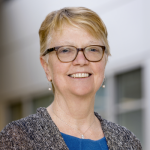
Maureen Kenny
Boston College, Boston, United States
Promoting career development and well-being: A psychology of working and decent education perspective

Márta Fülöp
Institute for Cognitive Neuroscience and Psychology, Karoli Gaspar University of the Reformed Church, Budapest, Hungary
From birth to old-age: the role of competition in our different life-stages

Brigitte Khoury
American University of Beirut, Beirut, Lebanon
Between globalization and decolonization: The role of psychology associations

Yiqun Gan
Peking University, Beijing, China
The Stress Paradox: Bridging Neural Circuits, Genetic Polymorphisms, and AI-Driven Interventions for Adaptive Resilience

Erich Kirchler
University of Wien, Wien, Austria
Tax Psychology: Building and Rebuilding Trust

Patton Garriott
University of Denver, Denver, United States
Humanizing STEM: Applied Psychological Perspectives on Mentorship, Motivation, and Belonging
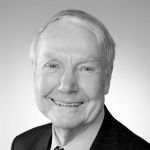
Michael Knowles
Monash University, Autralia
Increasing the visibility and impact of psychology
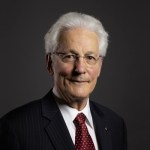
Janel Gauthier
Laval University, Quebec, Canada
Psychology and Ethics: The Mechanisms of Moral Disengagement
and the Maintenance of Moral Standards

Judith Kuriansky
Columbia University Teachers College, New York, United States
Advances in mental health and wellbeing on the global stage and accomplishments of IAAP: What applied psychologists need to know

Gary Latham
University of Toronto, Canada
Goal-setting theory: beginning, development, future prospects
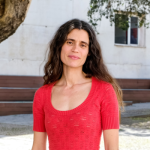
Rita Guerra
Iscte – University Institute of Lisbon, Lisbon, Portugal
“There is nothing as practical as a good theory”: kNOwHATE, a social psychological approach to understand online hate speech

Hang-Shim Lee
Konkuk University, Seoul, Korea
From Isolation to Connection in the AI Era: Psychology’s Transformative Role in Advancing Collective Flourishing

German Gutierrez
National University of Columbia, Bogota, Columbia
The Science-Practice Nexus: Rethinking the Interface Between Psychological Science and Social Impact

Alma Hafsi
University of Tunis, Tunis, Tunisia
Sustainability and Access to Work-Life Balance Practices in Tunisia

Sonia Lippke
Hamburg University of Applied Sciences, Germany
Applied Health Psychology and Rehabilitation Sciences: Integrative Approaches to Enhance Workability, Social Participation, and Well-Being in Individuals and Beyond – From Theory to Practice
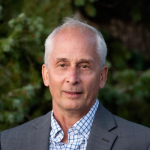
Paul Hartung
Northeast Ohio Medical University, Rootstown, United States
New Directions in Career Psychology: Adaptability for Sustainability

Andreas Hirschi
University of Bern, Bern, Switzerland
Navigating Careers in a Changing World: Strivings, Self-Regulation, and Adaptation

Elena Marta
Catholic University of the Sacred Heart, Milan, Italy
Promoting social change and wellbeing through participatory action research: insights from empirical evidence
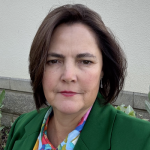
Crystal Hoole
Stellenbosch University, Stellenbosch, South Africa
Future-proofing talent management

Eilish McAuliffe
University College Dublin, Dublin, Ireland
Collective Leadership, Psychological Safety and Effective Teams-previously, now changed:) “Health Systems: Creating psychologically safe spaces for teams to thrive”

Satoris Howes
Oregon State University, Corvallis, United States
Emotional Intelligence in Autistic Adults: Considerations for Sustainable Human Resource Management

Peter McIlveen
University of Southern Queensland, Toowoomba, Australia
The Psychology of Agriculture: Growing a Sustainable Workforce

Kaori Karasawa
The University of Tokyo, Tokyo, Japan
Psychological Perspectives on the Ethical, Legal, and Social Issues of Emerging Technologies

Ines Meyer
University of Cape Town, Cape Town, South Africa
Who Should Work Psychology Serve? A Call to Shift from Corporate Gains to Sustainable Livelihoods

Eleni Karayianni
University of Cyprus, Nicosia, Cyprus
New conversations: Supporting young people’s mental health
in a changing world
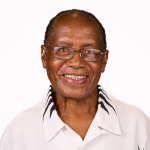
Elias Mpofu
University of North Texas, Denton, United States
Re-orientating Rehabilitation as a Health Strategy
for Empowered Aging
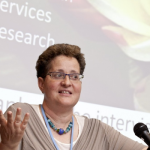
Efrat Neter
Ruppin Academic Center, Hefer Valley, Israel
From observation to intervention: a research Program
on Medication Adherence

Ralf Schwarzer
Freie Universität, Berlin, Germany
The power of self-efficacy: Some insights from three decades of research

Alex Newman
Melbourne Business School, University of Melbourne, Melbourne, Australia
Microaffirmations in the Workplace

Mindy Shoss
University of Central Florida, Orlando, Florida, United States
Living in Uncertain Times: Lessons from the Literature on Job Insecurity
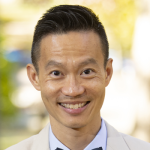
Eddy Ng
Queen’s University, Kingston, Canada
Creating Impact through DEI work

Heike Spaderna
Trier University, Trier, Germany
Psychosocial factors in heart disease – the biopsychosocial model revisited

Ioannis Nikolaou
Athens University of Economics and Business, Athens, Greece
Talent Meets Technology: Rethinking Recruitment and Selection in the Digital Age

Christoph Steinebach
ZHAW School of Applied Psychology, Zürich, Switzerland
How to foster Resilience: A Transdisciplinary Lens on Adaptation and Positive Development

Oi Ling Siu
Lingnan University of Hong Kong, Hong Kong, Hong Kong
The Social Stressors of Interpersonal Conflict and Ostracism on Performance in the Workplace: Moderators and Mediators

Kyung-Hyun Suh
Sahmyook University, Seul, South Korea
Psychological Effects of Applying Music in Daily Life for Well-being

José María Peiró
University of Valencia, Valencia, Spain
Applied Psychology in the 21st century: Challenges and Opportunities

Ava Thompson
International Union of Psychological Science
University of the Bahamas, Nassau, Bahamas
Toward a Sustainable Psychological Science Ecosystem:
Foundations for Our Future

Kristina Potočnik
University of Edinburgh Business School, Edinburgh, United Kingdom
Picking Up the Pieces: How Individuals, Teams, and Organizations Persevere Through Challenges

Akira Tsuda
Teikyo University of Science, Tokyo, Japan
Health Psychology Across the Lifespan

Caterina Primi
University of Florence, Florence, Italy
Gambling and gambling disorder: Assessment, prevention and treatment

Jaan Valsiner
Sigmund Freud Privatuniversitat, Wien, Austria
All Applications Are One: The Relevance of Idiographic Science for Applied Psychologies

Christian Resick
LeBow College of Business, Drexel University, Philadelphia, United States
From Work Horse to Show Horse: Examining the Psychological Resources that Shape the Influence and Identity of Autistic Leaders
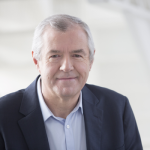
Christian Vandenberghe
HEC Montreal, Montreal, Quebec, Canada
Belonging, Sensemaking, and the Foundations of Employee Commitment

Josephine Ridley
Case Western Reserve University, Cleveland, Ohio
Suicide: making suicide research applicable

Beatrice van der Heijden
Radboud University, Nijmegen, The Netherlands
“No one has ever promised you a rose garden” On shared responsibility for sustainable careers

Roni REiter-Palmon
University of Nebraska, Omaha, United States
Team Social and Cognitive Processes and Team Creativity and Innovation

Dimitri Van der Linden
Erasmus School of Social and Behavioural Sciences, Rotterdam,
The Netherlands
Applied Psychology and Psychological Flow: The nature of being fully engaged in what you are doing

Christine Roland Levy
Université de Reims Champagne-Ardenne, Reims, France
Risk Taking and Emotions

Michelangelo Vianello
University of Padua, Padua, Italy
The Dark Side of Calling Across Cultures
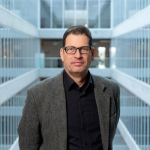
Jérôme Rossier
University of Lausanne, Lausanne, Switzerland
Contribution of the field career guidance and counseling to the psychology of sustainability and sustainable development

Frank Worrell
Graduate School of Education, Berkeley, United States
Harnessing Potential: The Talent Development Megamodel as a Blueprint for Fostering Diverse Talents

Patrick Rottinghaus
University of Missouri, Columbia, United States
Integrative Approaches to Educational and Career Decisions
in the Current Complexity

Bruno Zumbo
University of British Columbia, Vancouver, Canada
From Pencils to Pixels, Handheld Calculators to (Handheld) Supercomputers: The Evolution of Measurement Validation Methods
in Applied Psychology

Ugur Sak
Anadolu University, Eskişehir, Turkey
Fuzzy Theory as Applied in Conceptualizing Giftedness and
Talent Development

Donald Saklofske
University of Western Ontario, London, Canada
What the world needs more of… Emotional Intelligence
Jos Akkermans, Vrije Universiteit Amsterdam, Amsterdam, The Netherlands
Kelsey Autin, University of Wisconsin-Milwaukee, Milwaukee, United States
Cristina Becchio, University Medical Center Hamburg-Eppendorf, Hamburg, Germany
Tara Behrend, Michigan State University, East Lansing, United States
Claudia Bernhard-Oettel, Stockholm University, Stockholm, Sweden
Sheyla Blumen Cohen, Pontifical Catholic University of Peru (PUCP), Lima, Peru
Gregoire Borst, Université Paris Cité, Paris, France
Paula Brough, Griffith University, Southport, Australia
Carrie Bulger, Quinnipiac University, Hamden, United States
Stuart C. Carr, UNESCO/Massey University of New Zealand, Auckland
Giuseppe Carrus, Uniroma 3, Rome, Italy
Emanuele Castano’, University of Florence, Florence, Italy
Apitchaya Chaiwutikornwanich, Chulalongkorn University, Bangkok, Thailand
Hoon-Seok Choi, Sungkyunkwan University, Seoul, Korea
Rachel Gali Cinamon, Tel Aviv University, Tel Aviv, Israel
Saths Cooper, University of Pretoria, Pretoria, South Africa
Fiammetta Cosci, University of Florence, Florence, Italy
Russell Cropanzano, Leeds School of Business, University of Colorado
Simon Crowe, La Trobe University, Melbourne, Australia
Léo-Paul Dana, Dalhousie University, Canada
Evangelia Demerouti, Eindhoven University of Technology, Eindhoven, The Netherlands
Rolando Diaz-Loving, National Autonomous University of Mexico, Mexico
Bryan Dik, Colorado State University, Fort Collins, United States
Joan Duda, University of Birmingham, Birmingham, United Kingdom
Ryan Duffy, University of Florida, Gainesville, United States
Arthur Evans, American Psychological Association, Washington, United States
Lisa Flores, University of Missouri, Columbia, United States
Michael Frese, Asia School of Business (in collaboration with MIT Sloan Management) and Leuphana University of Lueneburg, Lueneburg, Germany
Márta Fülöp, Institute for Cognitive Neuroscience and Psychology, Karoli Gaspar University of the Reformed Church, Budapest, Hungary
Yiqun Gan, Peking University, Beijing, China
Patton Garriott, University of Denver, Denver, United States
Janel Gauthier, Laval University, Quebec, Canada
Rita Guerra, Iscte – University Institute of Lisbon, Lisbon, Portugal
German Gutierrez, National University of Columbia, Bogota, Columbia
Alma Hafsi, University of Tunis, Tunis, Tunisia
Buxin Han, Chinese Academy of Sciences (IPCAS), Beijing, China
Paul Hartung, Northeast Ohio Medical University, Rootstown, United States
Andreas Hirschi, University of Bern, Bern, Switzerland
Crystal Hoole, Stellenbosch University, Stellenbosch, South Africa
Satoris Howes, Oregon State University, Corvallis, United States
Kaori Karasawa, The University of Tokyo, Tokyo, Japan
Eleni Karayianni, University of Cyprus, Nicosia, Cyprus
E.Kevin Kelloway, Saint Mary’s University, Halifax, Canada
Jennifer Kelly, Atlanta Center for Behavioral Medicine, Atlanta, United States
Maureen Kenny, Boston College, Boston, United States
Brigitte Khoury, American University of Beirut, Beirut, Lebanon
Erich Kirchler, University of Wien, Wien, Austria
MIchael Knowles, Monash University, Australia
Judith Kuriansky, Columbia University Teachers College, New York, United States
Hang-Shim Lee, Konkuk University, Seoul, Korea
Gary Latham, University of Toronto, Canada
Sonia Lippke, Hamburg University of Applied Sciences, Germany
Elena Marta, Catholic University of the Sacred Heart, Milan, Italy
Eilish McAuliffe, University College Dublin, Dublin, Ireland
Peter McIlveen, University of Southern Queensland, Toowoomba, Australia
Ines Meyer, University of Cape Town, Cape Town, South Africa
Elias Mpofu, University of North Texas, Denton, United States
Efrat Neter, Ruppin Academic Center, Hefer Valley, Israel
Alex Newman, Melbourne Business School, University of Melbourne, Melbourne, Australia
Eddy Ng, Queen’s University, Kingston, Canada
José María Peiró, University of Valencia, Valencia, Spain
Kristina Potočnik, University of Edinburgh Business School, Edinburgh, United Kingdom
Caterina Primi, University of Florence, Florence, Italy
Ayu Nindyati Rahardjo, Pancasila University, Jakarta, Indonesia
Christian Resick, LeBow College of Business, Drexel University, Philadelphia, United States
Josephine Ridley, Case Western Reserve University, Cleveland, Ohio
Roni Riter-Palmon, University of Nebraska, Omaha, United States
Christine Roland Levy, Université de Reims Champagne-Ardenne, Reims, France
Jérôme Rossier, University of Lausanne, Lausanne, Switzerland
Patrick Rottinghaus, University of Missouri, Columbia, United States
Ugur Sak, Anadolu University, Eskişehir, Turkey
Donald Saklofske, University of Western Ontario, London, Canada
Ralf Schwarzer, Freie Universität, Berlin, Germany
Mindy Shoss, University of Central Florida, Orlando, Florida, United States
Oi Ling Siu, Lingnan University of Hong Kong, Hong Kong, Hong Kong
Heike Spaderna, Trier University, Trier, Germany
Christoph Steinebach, ZHAW School of Applied Psychology, Zürich, Switzerland
Kyung-Hyun Suh, Sahmyook University, Seul, South Korea
Ava Thompson, University of the Bahamas, Nassau, Bahamas
Akira Tsuda, Teikyo University of Science, Tokyo, Japan
Jaan Valsiner, Sigmund Freud Privatuniversitat, Wien, Austria
Christian Vandenberghe, HEC Montreal, Montreal, Quebec, Canada
Beatrice van der Heijden, Radboud University, Nijmegen, The Netherlands
Dimitri Van der Linden, Erasmus School of Social and Behavioural Sciences, Rotterdam, The Netherlands
Michelangelo Vianello, University of Padua, Padua, Italy
Frank Worrell, Graduate School of Education, Berkeley, United States
Bruno Zumbo, University of British Columbia, Vancouver, Canada